
Expanded rubber
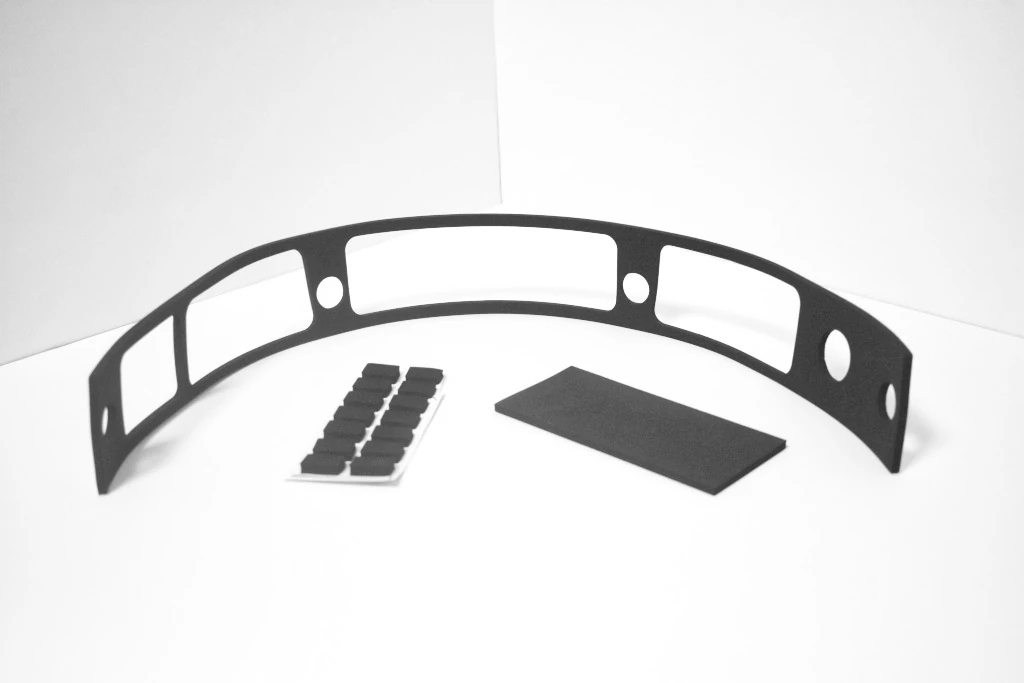
EPDM Foam Compound (closed cells)
Characteristics: lightweight, elastic, and impermeable to water and air. Provides good resistance to ozone, UV rays, weathering, and temperatures (-40°C / +100°C), with excellent thermal and acoustic insulation properties.
Applications: sealing gaskets, thermal/acoustic insulation, anti-vibration parts, and protections in automotive, construction, and industry, where flexibility, impermeability, and durability in outdoor or critical environments are required.
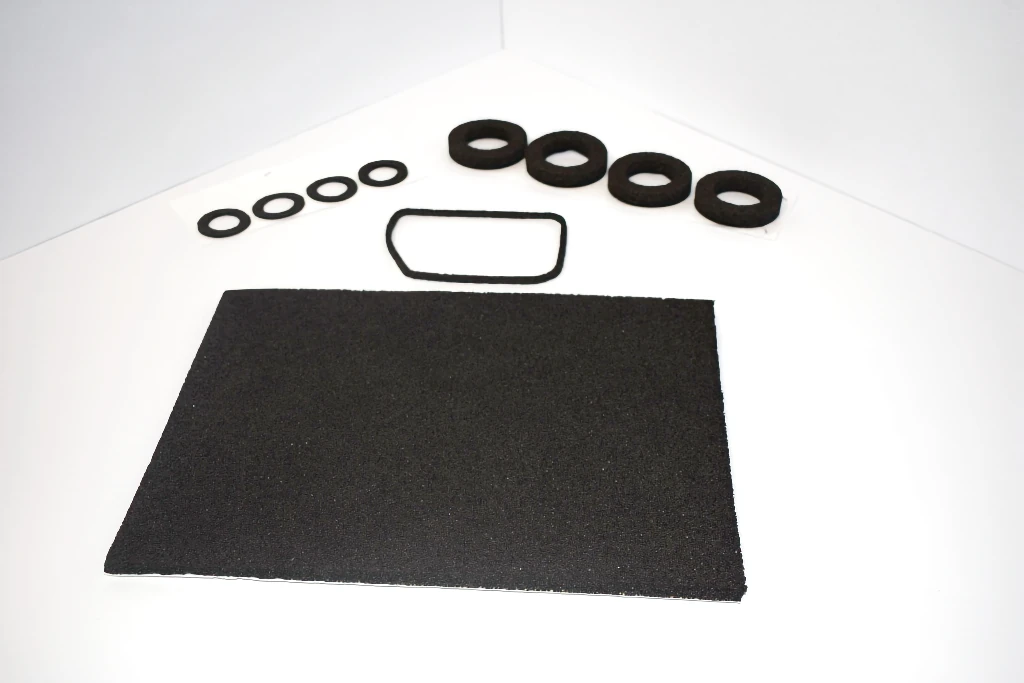
EPDM Foam Compound (open or semi-closed cells)
Characteristics: soft, flexible, and breathable, with good acoustic absorption and cushioning properties. Maintains fair resistance to heat, ozone, and weathering, but is not waterproof.
Applications: compression gaskets, shock absorption, and acoustic insulation. Used in automotive, HVAC, construction, and technical packaging, where deformability and breathability are required rather than watertightness.
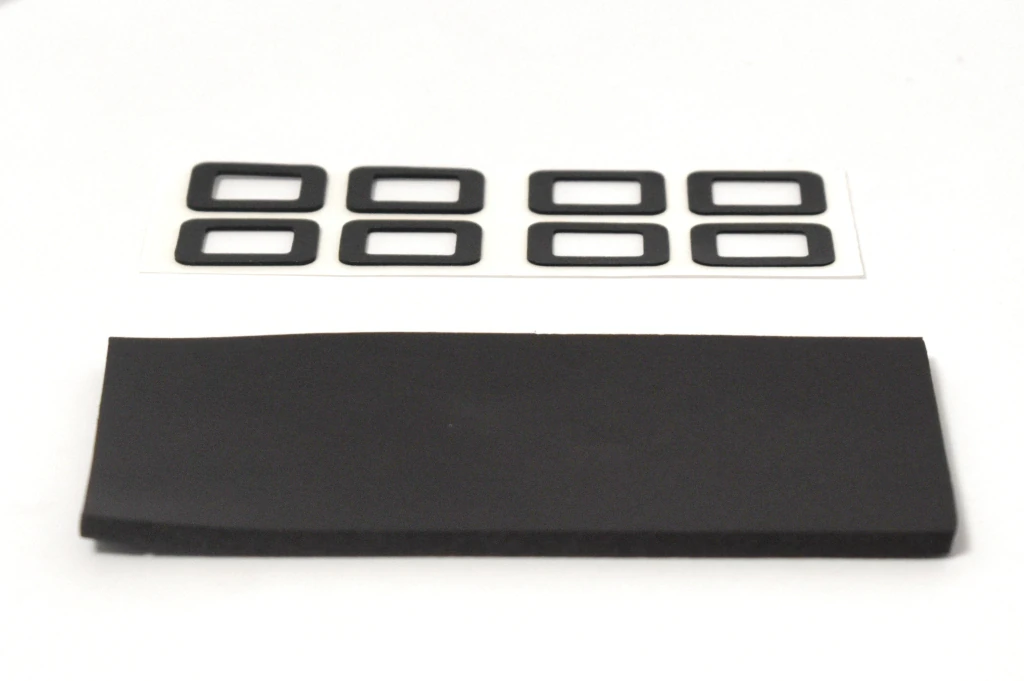
NBR Foam
Characteristics: flexible, waterproof, and resistant to oils, fuels, and chemicals. Provides good mechanical sealing, thermal insulation, and durability, with typical service temperature between -30°C and +100°C.
Applications: gaskets, anti-vibration parts, insulating coatings, and technical components in automotive, HVAC, and industry, especially where oil resistance and watertightness are required.
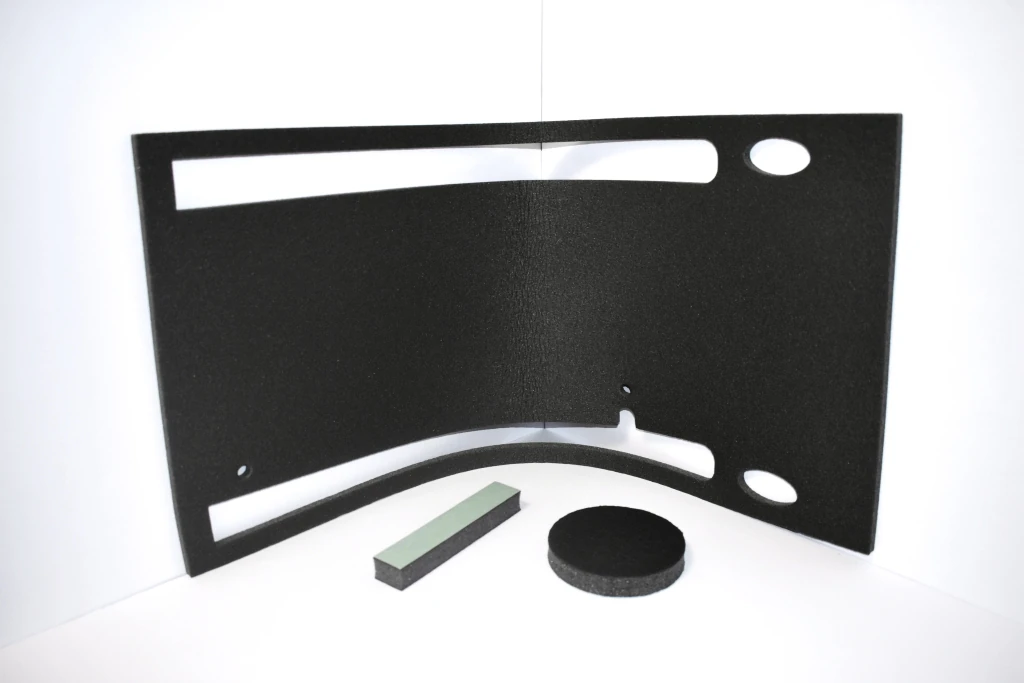
Expanded Polyethylene (PE)
Characteristics: lightweight, flexible, waterproof, and resistant to moisture, chemicals, and compression. With closed cells, it offers good insulating properties (thermal and acoustic) and is easy to process. Service temperature: approx. -40°C / +90°C.
Applications: gaskets, technical packaging, shock protection, thermal/acoustic insulation, and spacers. Used in construction, automotive, appliances, and industrial packaging.
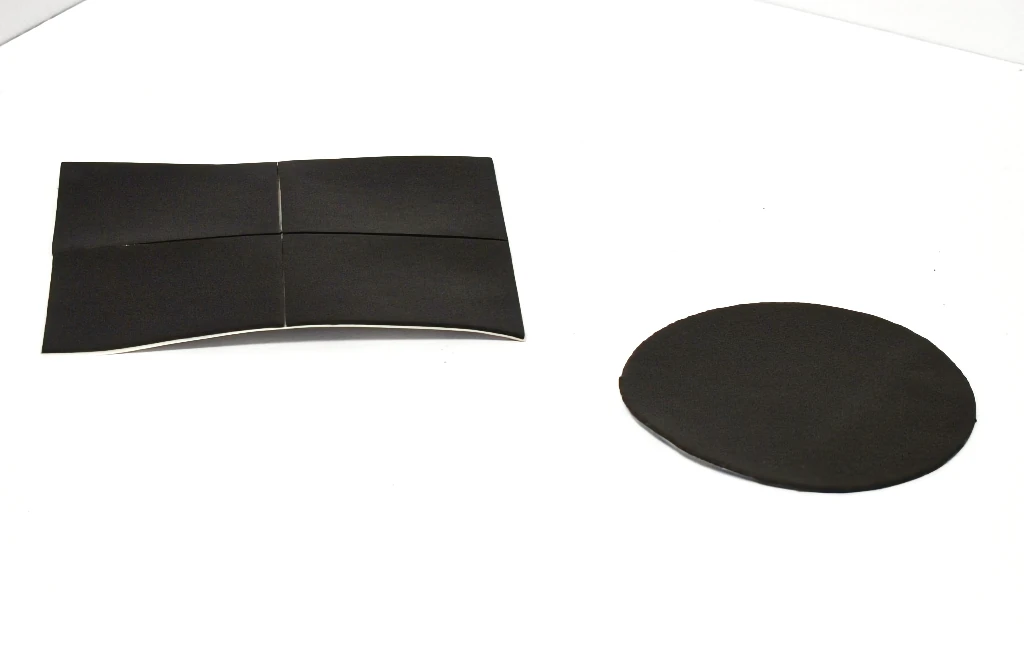
Expanded PVC
Characteristics: lightweight, compact, and waterproof, with good chemical resistance, self-extinguishing properties, and dimensional stability. With closed cells, it ensures thermal and acoustic insulation and is easy to process. Service temperature: approx. -20°C / +70°C.
Applications: sealing gaskets, insulating panels, seals, spacers, and protections. Used in construction, automotive, electronics, and furniture, where flexibility, insulation, and long-term durability are needed.
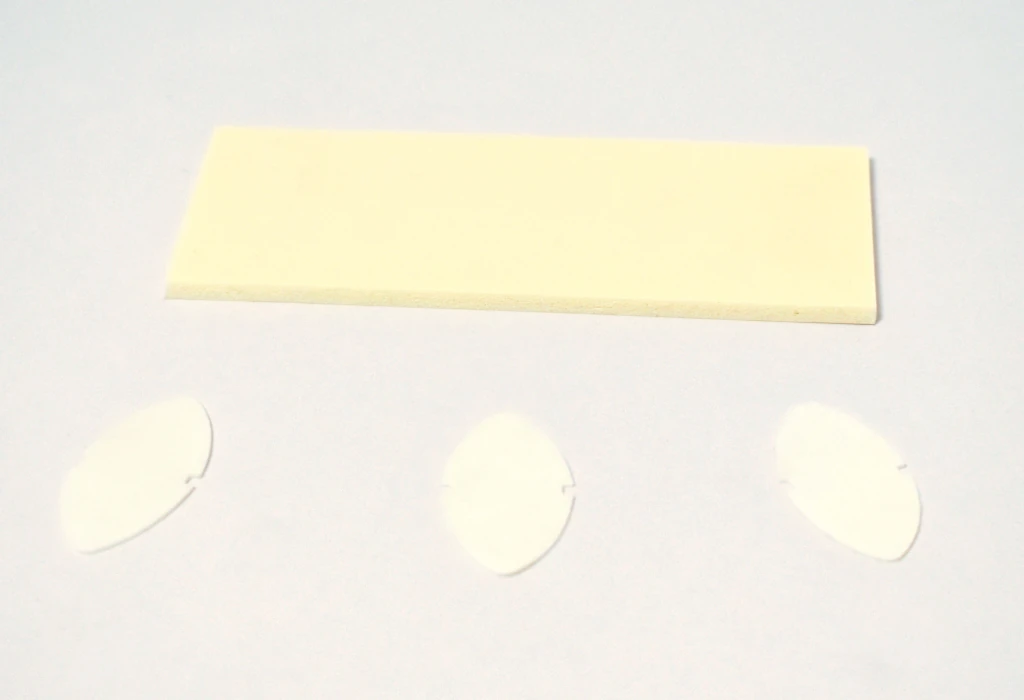
Expanded Silicone
Characteristics: soft, lightweight material resistant to extreme temperatures (-60°C / +230°C), with excellent elasticity, impermeability, and resistance to UV, ozone, and weathering. It is non-toxic and also available in food-grade or medical versions.
Applications: sealing gaskets, thermal insulation, anti-vibration parts, and protections in food, medical, electrical, and industrial sectors, where resistance to heat, deformation, and harsh environmental conditions is required.
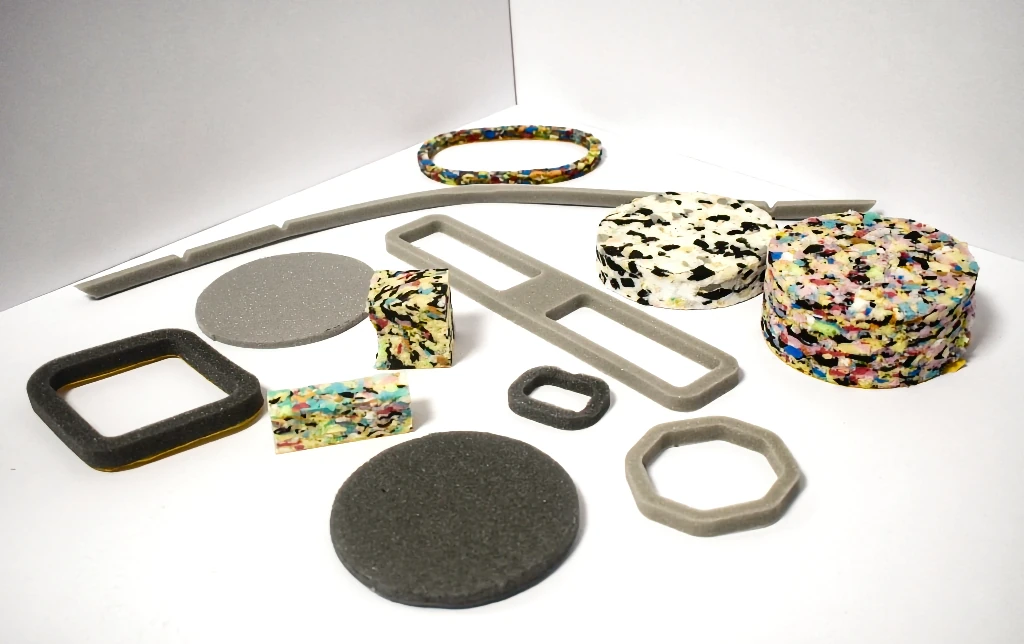
Expanded Polyurethane "MTP" or "URS";
Characteristics: flexible open-cell foam with excellent acoustic absorption and cushioning properties. Lightweight, breathable, and available in various densities and flame resistance grades (also self-extinguishing).
Applications: compressible gaskets, acoustic insulation, shock protection, and technical padding. Used in automotive, electronics, HVAC, and packaging, where lightness and adaptability to shapes are required.